
Coffee, wine, and time all take a toll on enamel shade — an in-office treatment resets it in about an hour. Smile Center Dentistry checks your enamel and gums before recommending a strength.
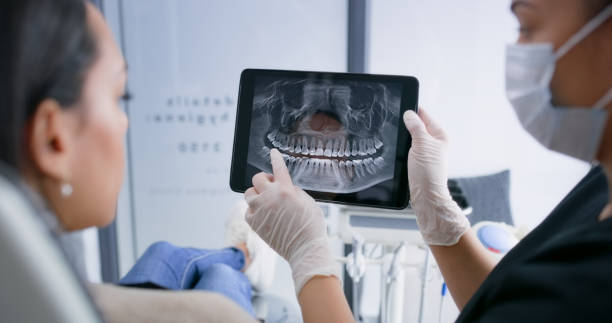
Not every patient should use the same concentration of whitening gel, so we don't treat every case the same way. A quick pre-treatment exam takes minutes and prevents a much worse outcome later.
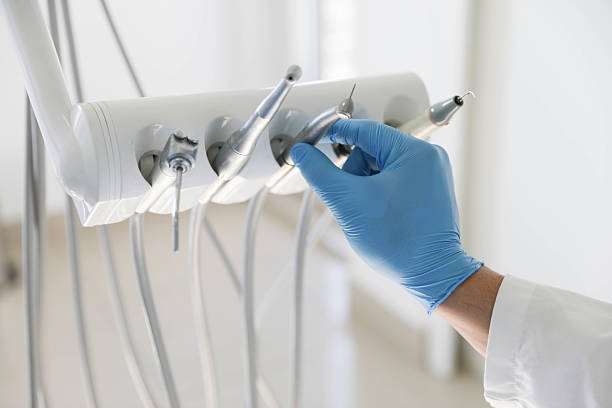
We calibrate gel concentration to your enamel condition, not a one-strength-fits-all approach. Stronger isn't always better — the right concentration for your enamel matters more than speed.
We check for cavities and gum recession before whitening, since treating over untreated decay can cause real pain. We'd rather catch a problem now than have you call back in discomfort later.
Both options use professional-grade gel, just at different concentrations and timelines. We help you decide based on your timeline and sensitivity, not just what's more profitable for us.
Desensitizing gel and post-treatment guidance are part of every whitening visit, not an upsell. Most sensitivity fades within a day or two when managed properly.
Results and timelines vary by starting shade and enamel condition, and we're upfront about that.
A higher-concentration gel activated in the chair delivers visible results in about an hour. We monitor sensitivity throughout the session rather than applying gel and walking away.
Trays molded to your exact bite let you whiten gradually at home with a lower-concentration gel. We check your progress at a follow-up to confirm even results.
We compare your current shade against a guide before treatment so you have a real baseline, not a guess. This appointment also flags any restorations that won't whiten along with natural teeth.
Desensitizing gel is applied before and after treatment for patients prone to sensitive teeth. Post-visit care instructions are given verbally and in writing.
A quick touch-up session every several months keeps results from fading back to baseline. We recommend a schedule based on your diet and habits, not a generic interval.
Deeper staining from certain medications or fluorosis responds differently than surface staining and may need a longer protocol. Realistic expectations are set at your shade consult, not after treatment disappoints you.
We ask about sensitivity history when you book, so we're prepared for your specific case.
We check for cavities and gum health, then compare your current shade against a guide.
In-office sessions take about an hour; take-home trays are fitted and explained the same visit.
We schedule touch-ups based on your habits, not a generic calendar reminder.
"They checked my teeth for cavities first, which I didn't expect but appreciated — no surprises during treatment."
"Sensitive teeth usually make whitening miserable for me, but they adjusted the gel strength and it was totally manageable."
"Shade comparison before and after was a nice touch — I could actually see the difference, not just take their word for it."
"Honest about what whitening could and couldn't fix on my teeth — no overselling."
"Had some intrinsic staining from an old medication and they explained upfront it would take longer to lighten. Appreciated not being oversold on a quick fix."
Results vary by starting shade, but most patients see several shades of improvement after in-office treatment. We'll give you a realistic expectation at your consult based on your current shade.
Overuse of drugstore products without supervision is more likely to cause sensitivity than a professionally managed treatment. We monitor your enamel condition throughout treatment, not just at the start.
Typically six months to two years depending on diet, smoking, and oral hygiene habits. We'll recommend a realistic maintenance plan rather than a generic one-size interval.
We flag any crowns or veneers upfront so you're not surprised by an uneven result later. If a mismatch would result, we discuss options honestly before you commit to treatment.
Sensitivity is common and manageable — we tailor the approach rather than skipping whitening altogether. Most sensitive patients tolerate a properly calibrated protocol well.
Both use professional-grade gel; the choice usually comes down to your timeline and sensitivity level. Some patients do both — an initial boost followed by trays for upkeep.
Our whitening program serves DeWitt and the surrounding zip codes with the same enamel-safe protocol at every visit. Shade consults and treatment sessions are both done locally, without a referral elsewhere.
Licensed, gentle, and local to DeWitt — call and ask about your options.
Call +1-866-227-2801